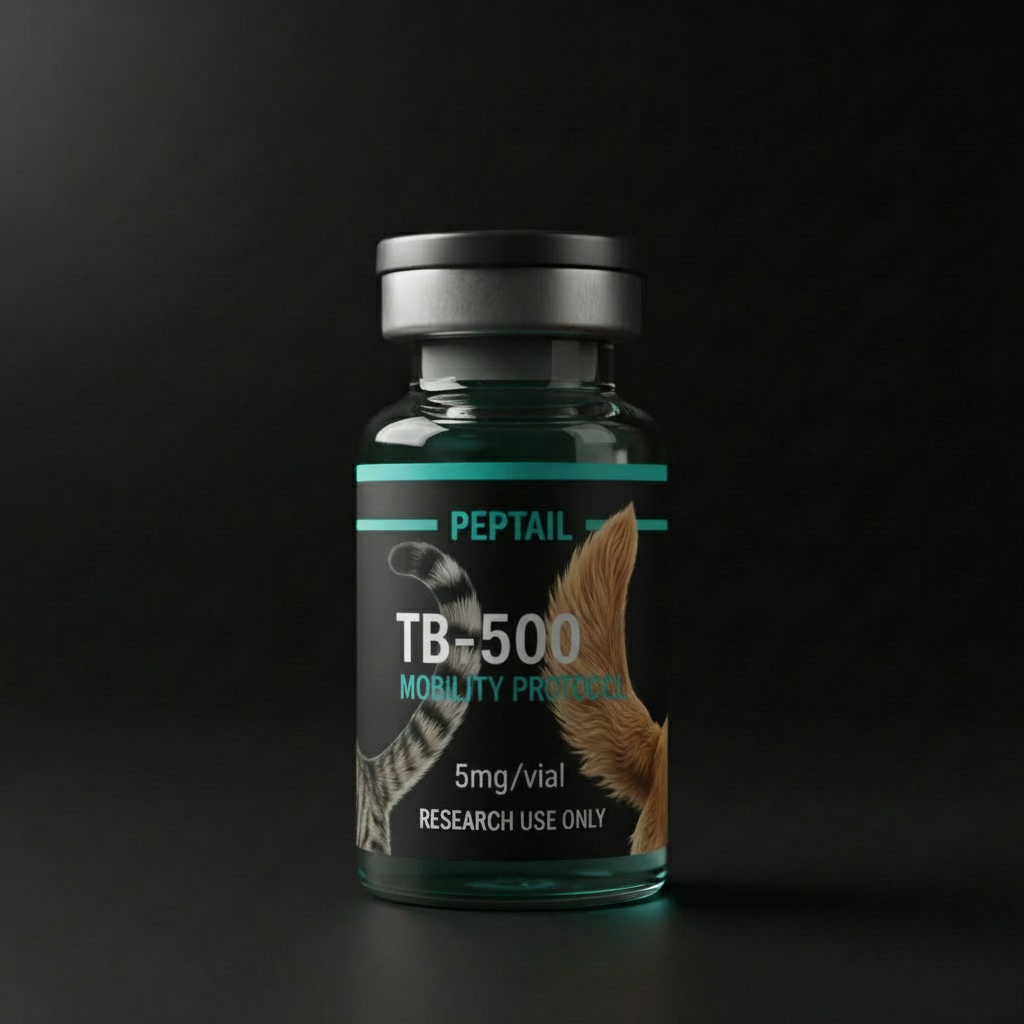
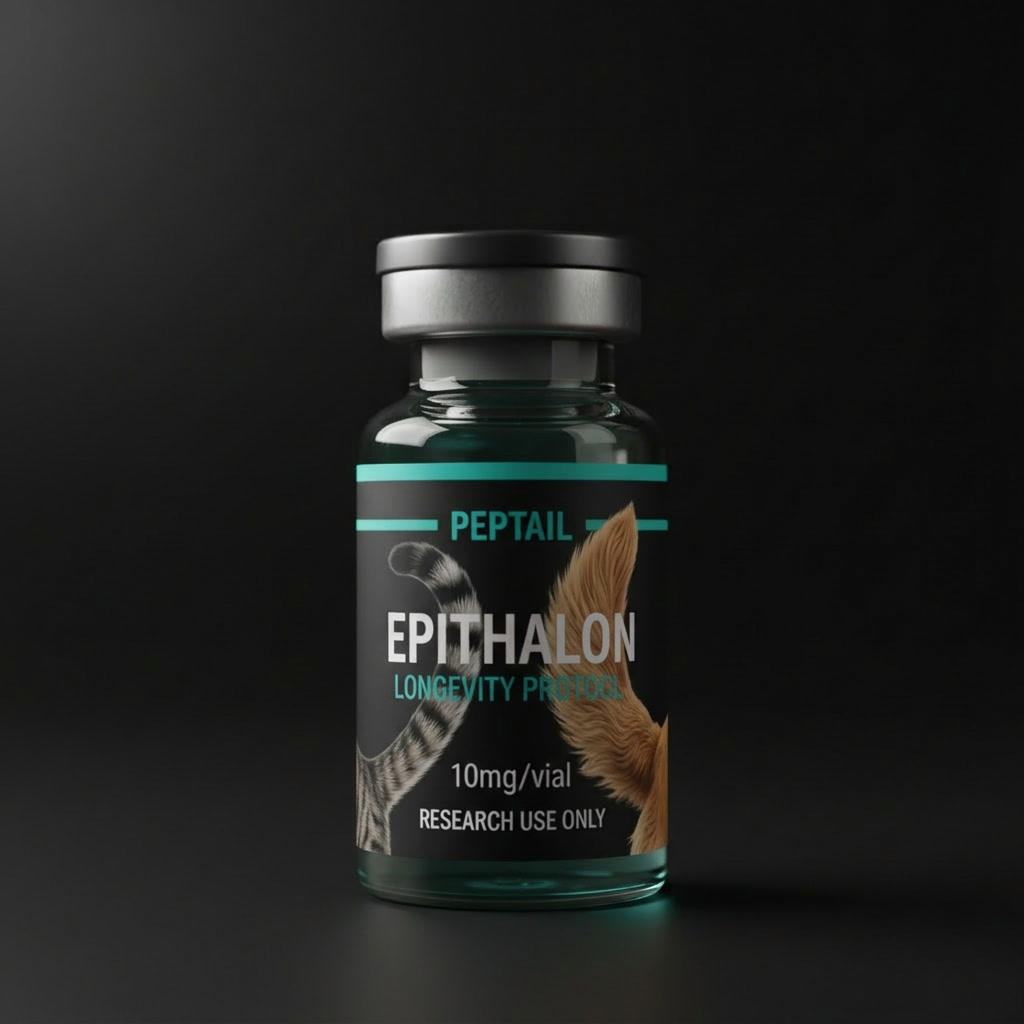
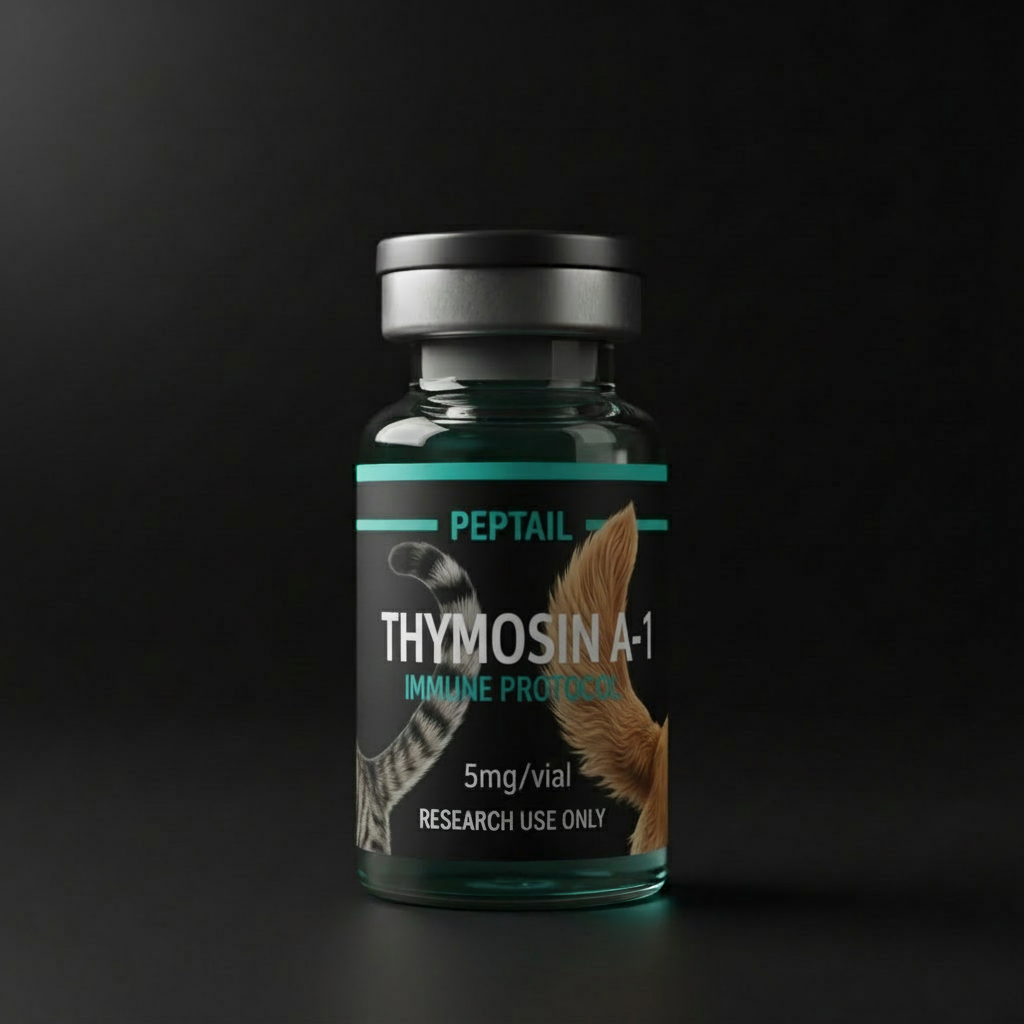
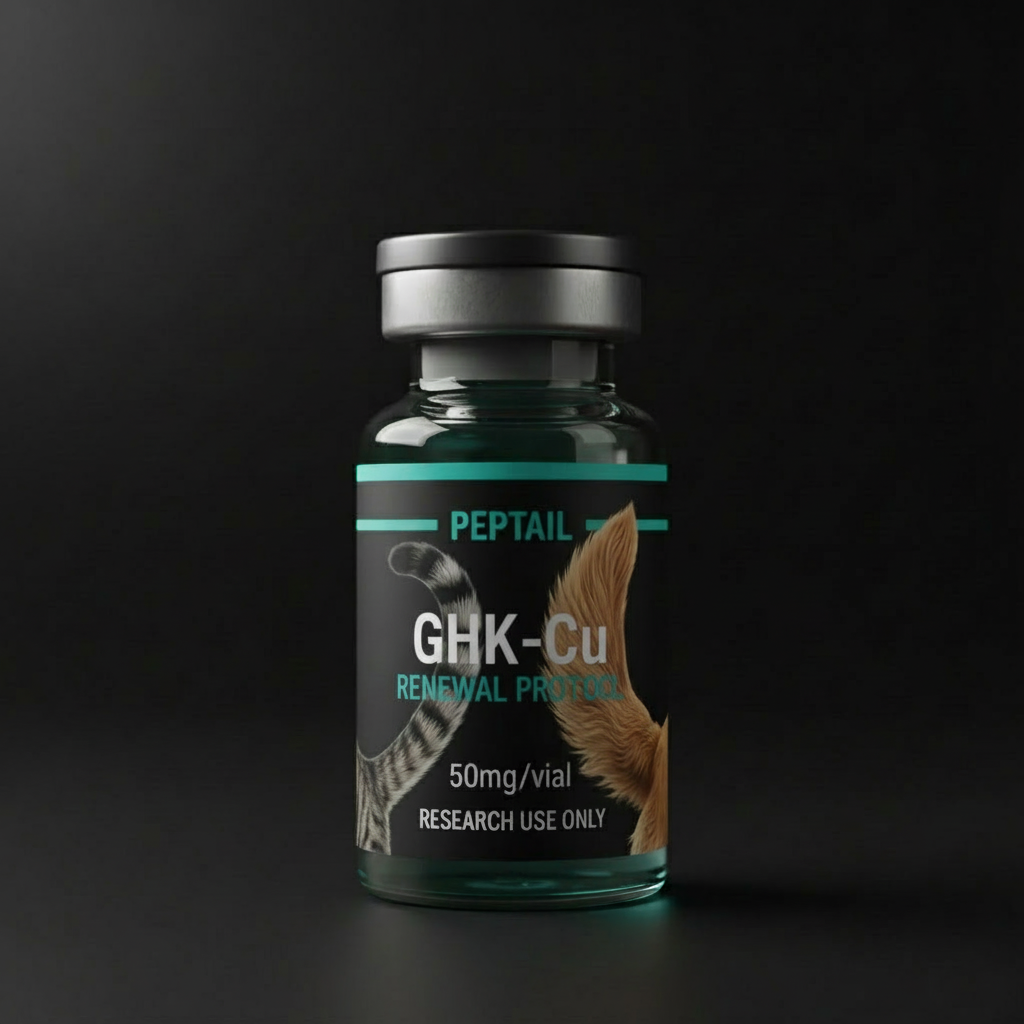
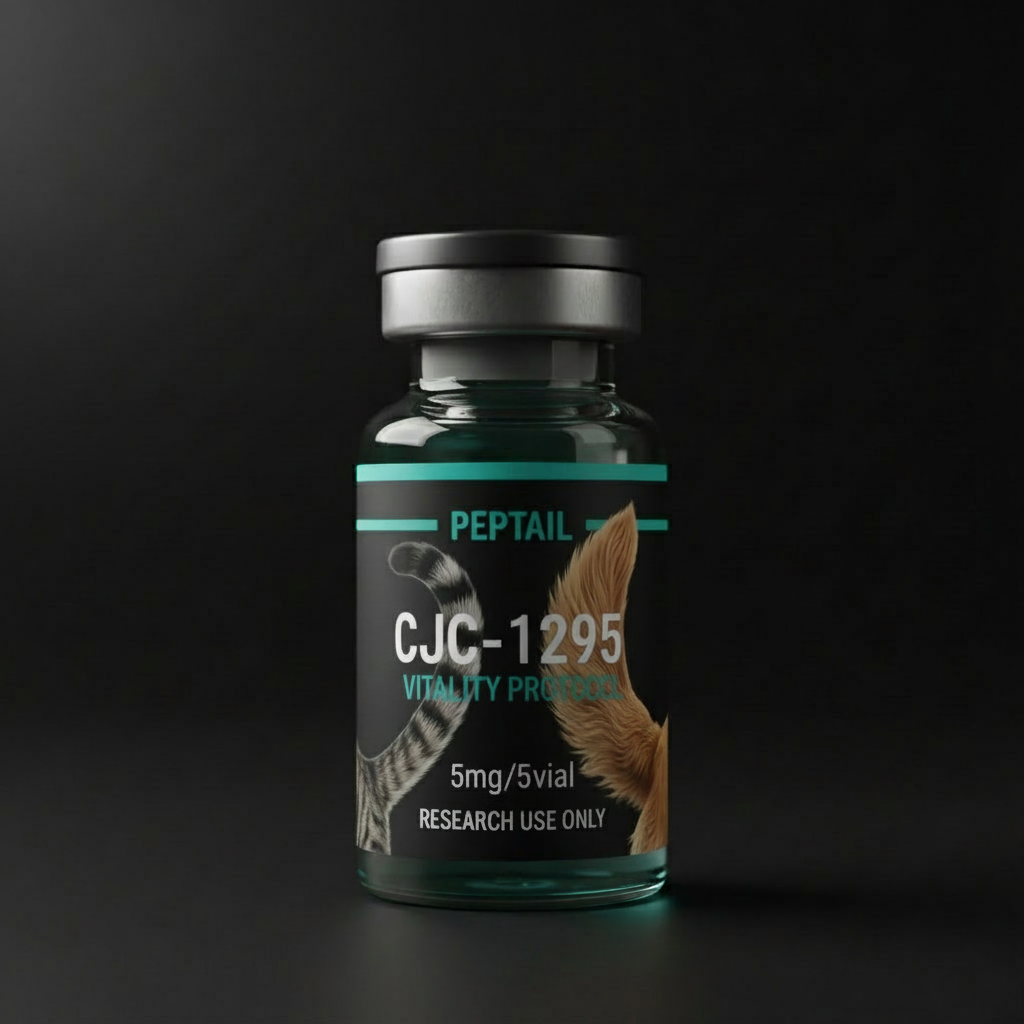
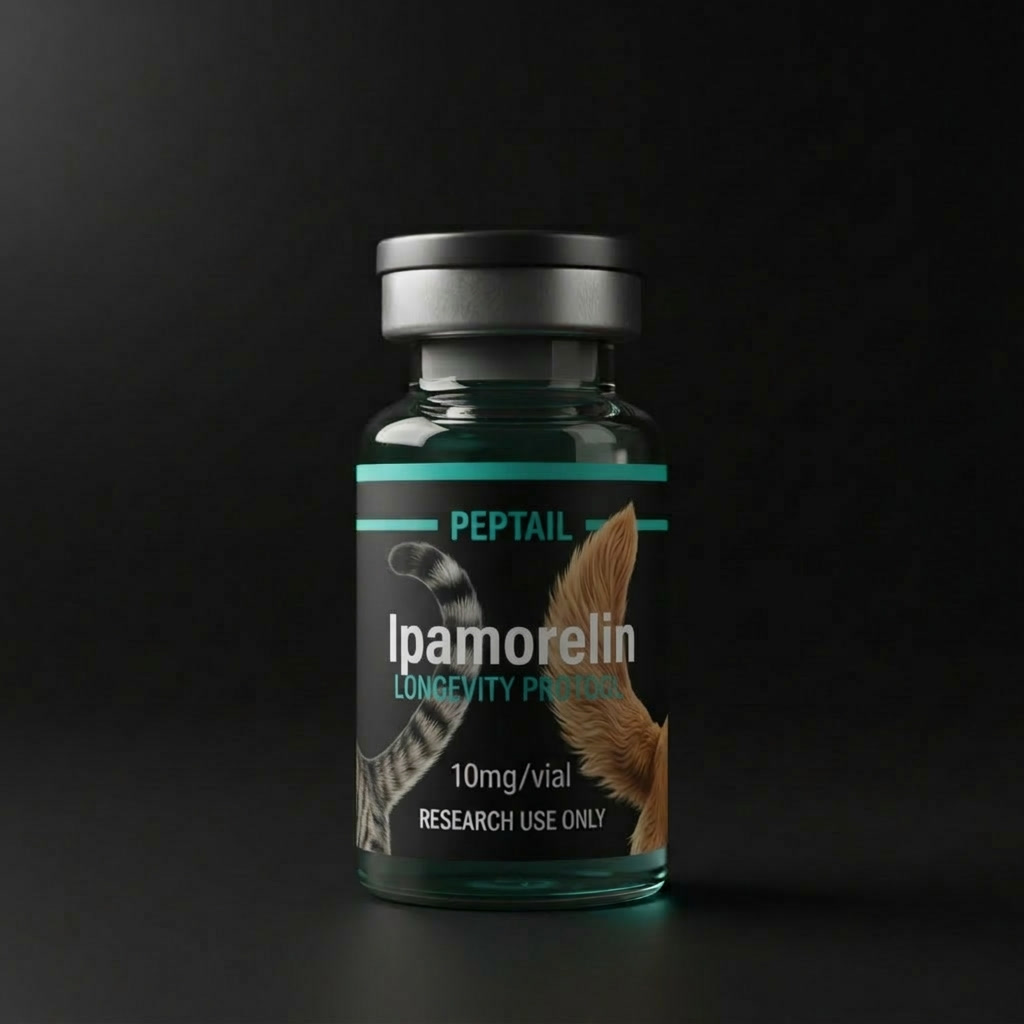
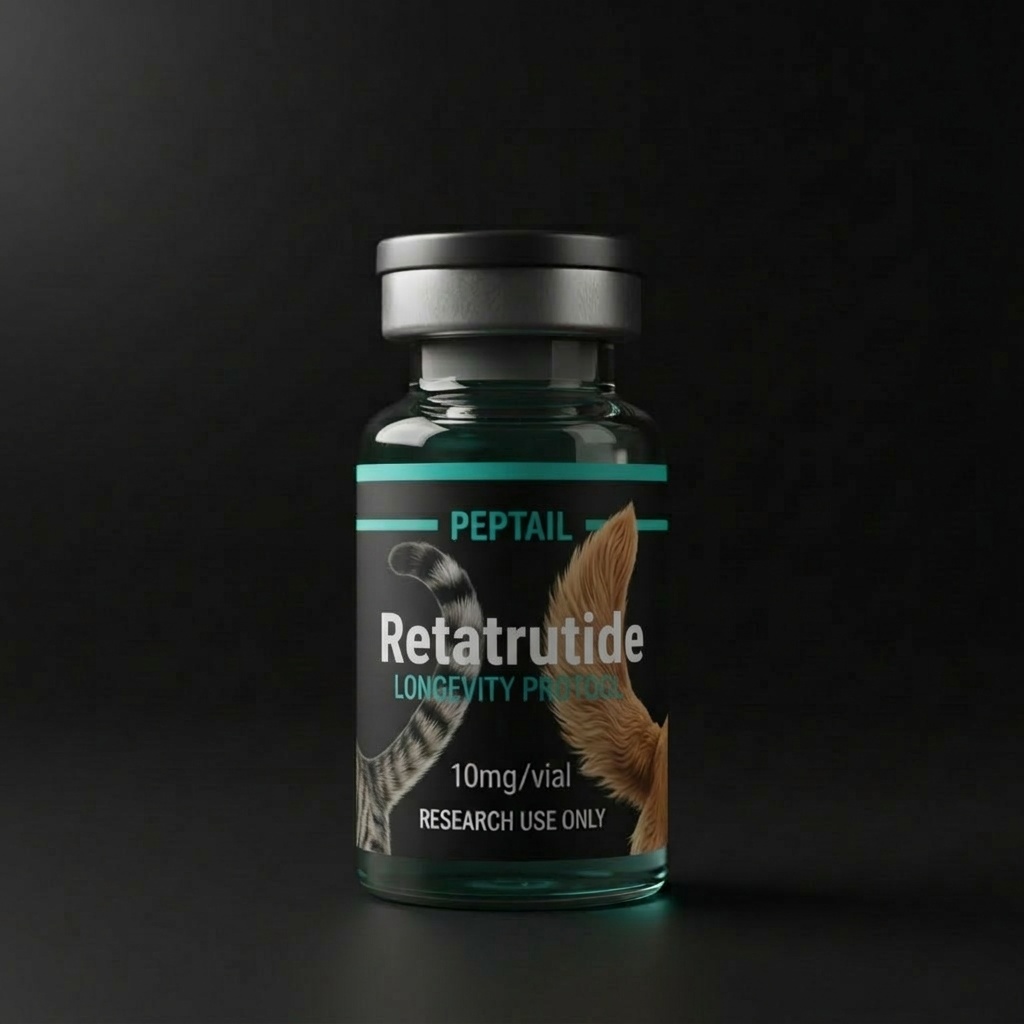
Research-Grade Peptide Protocols

Don't you want your pet to live as long as you?

The same cellular science behind human longevity protocols. Engineered for canine and feline biology.

Explore Protocols Read the Science
Third-Party COA Verified
98%+ Research-Grade Purity
Ships Within 24 Hours
Dogs + Cats

Your pet's cells are aging. The signal is failing.

Between ages 1 and 7, a dog undergoes the cellular equivalent of 50 human years. Growth hormone drops. Inflammation rises. Mitochondria lose efficiency. Telomeres shorten.

The decline you attribute to time is a signaling problem. Peptides restore the signal.
7x
Faster cellular aging rate in dogs relative to humans
50%
Growth hormone decline from age 1 to age 8 in companion animals
40%
Improvement in insulin resistance index with GH restoration (Diabetes Care, 2012)

Six protocols. Every system addressed.

Each protocol targets a distinct biological pathway. Together they address the core mechanisms of cellular aging.

Simple protocol. Rigorous science.

01

Select Your Protocol

Choose from six research-grade peptide protocols based on your animal's specific biology, age, and health goals. Each protocol is independently documented and sourced.

02

Receive and Reconstitute

Your peptide arrives lyophilized (freeze-dried) with bacteriostatic water. Each order includes a complete reconstitution guide and weight-based dosing reference.

03

Track the Markers

Measurable results in mobility, coat quality, energy, and recovery. Every claim in our protocol documentation is linked to its peer-reviewed source.

Peer-reviewed. Not anecdotal.

Every protocol in the Peptail system is supported by published research. These are the numbers that matter.

+35%
Satellite cell activation observed with IGF-1 elevation, expanding muscle fiber capacity for protein synthesis in aging tissue.
Journal of Physiology, 2008
+45%
BDNF expression increase with GH elevation. Brain-derived neurotrophic factor governs synaptic plasticity, learning, and hippocampal neurogenesis.
Neuroendocrinology, 2009
+40%
NK cell cytotoxic activity increase with GH restoration. Natural killer cells are the primary surveillance mechanism against cancer and viral infection.
Endocrinology, 2013
-40%
Myostatin mRNA expression reduction with GH elevation. Myostatin is the primary brake on muscle growth — its reduction preserves lean mass in aging animals.
Endocrinology Research, 2010

Dogs and cats. Both.

Every Peptail protocol includes weight-based dosing guides for both species. The biology is shared. The decline is shared. The solution is the same.

Dogs
All breeds. Weight-based dosing from 5 lbs to 150 lbs.
Cats
Full feline protocol. Adjusted for feline metabolic rate.

Common questions.

What are peptides?
Peptides are short chains of amino acids — the same building blocks as proteins. They function as cellular signals, telling specific systems in the body to activate particular responses. Unlike drugs, they work with existing biological pathways rather than overriding them. The peptides in the Peptail system are synthetic analogs of naturally occurring signaling molecules.
Are these safe for dogs and cats?
All Peptail products are sold for research purposes only and are not intended for animal consumption. The compounds in our catalog have been studied in veterinary and academic research contexts. We recommend consulting a licensed veterinarian before beginning any protocol.
What purity standard do your products meet?
All protocols ship with a third-party Certificate of Analysis confirming a minimum of 98% purity via HPLC and mass spectrometry verification. COAs are available for download on each product page.
How are peptides administered?
Most peptides are administered subcutaneously (under the skin) via insulin syringe. Each protocol includes a complete reconstitution and administration guide with weight-based dosing tables for dogs and cats.
How quickly do results appear?
Mobility improvements with BPC-157 and TB-500 are often noted within 2–4 weeks. Coat and skin improvements with GHK-Cu are typically visible within 3–6 weeks. Systemic longevity markers develop over 60–90 days of consistent protocol use.
What is the difference between BPC-157 and TB-500?
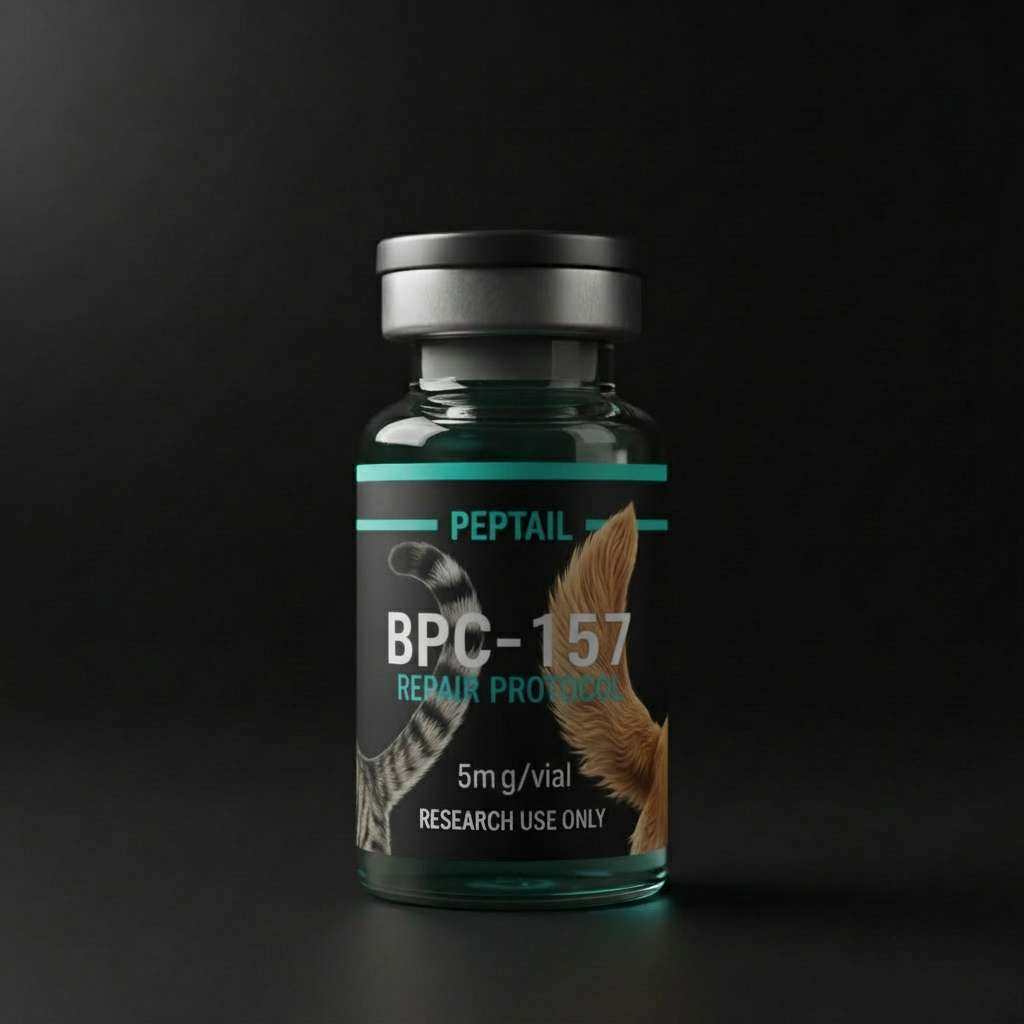
BPC-157 targets tissue repair and gut integrity — best for injuries, digestive issues, and joint degeneration. TB-500 targets flexibility, range of motion, and acute injury recovery. Many protocols use both in combination for comprehensive musculoskeletal support.

Built for the animal that runs toward you every time you come home.

Research-grade longevity protocols. Third-party tested. Delivered in 24 hours.

Explore All Protocols